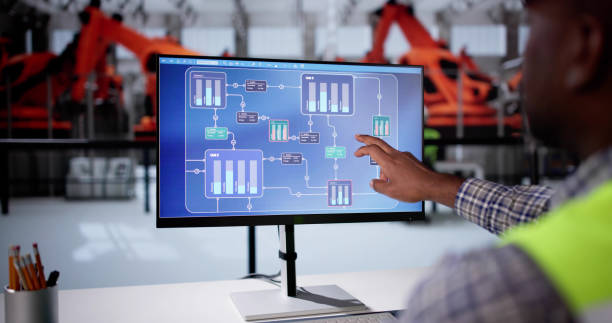
HMI Development
Interfaces that feel deliberate.
Qt/QML on embedded Linux. LVGL on microcontrollers. Either way, we build touchscreen interfaces that are fast, readable, and built to survive the environments they run in.
HMI Development
Qt/QML on embedded Linux. LVGL on microcontrollers. Either way, we build touchscreen interfaces that are fast, readable, and built to survive the environments they run in.
HMI Development
Users don't think about the interface when it's working well — they think about the task. That's the bar we design and build to.
We work with Qt/QML on embedded Linux for products that need fluid animation, multi-touch, and a rich widget ecosystem. We work with LVGL on bare-metal and RTOS targets for products where there's no Linux underneath — just a framebuffer and a tight draw loop.
In both cases, the approach is the same: understand the user, the environment, and the constraints — then build something that works without demanding attention.
High-performance touchscreen UIs on embedded Linux — smooth GPU-accelerated animations, offline-capable architecture, and production-hardened code.
Learn More →Beautiful, lightweight GUIs on resource-constrained MCUs using LVGL — no Linux required, just a tight draw loop and clean widget architecture.
Learn More →Ruggedised panel PCs and industrial displays with bespoke UIs designed for factory floors, kiosks, and field operator stations.
Learn More →User experience crafted specifically for embedded constraints — large touch targets, outdoor readability, glove-friendly interactions, and flows that survive fatigue.
Learn More →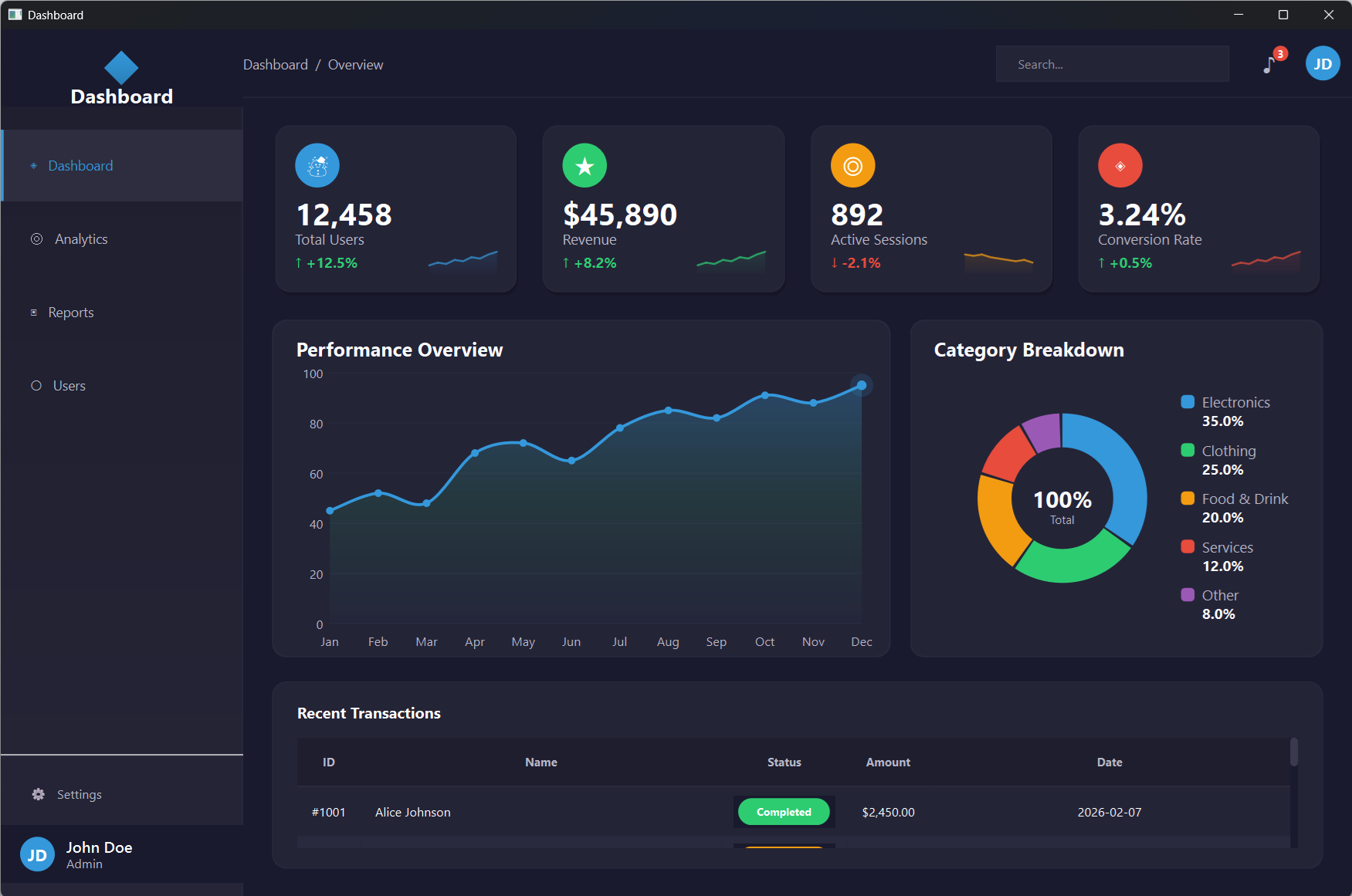
Qt / QML
Qt/QML is the industry standard for high-quality touchscreen interfaces on embedded Linux — and we've shipped it in production.
We build Qt/QML applications targeting 5" to 21" capacitive displays on i.MX8, RK3566, and Raspberry Pi CM4 platforms. Smooth 60fps animations, responsive layouts, and offline-capable architectures that queue operations when connectivity is unavailable.
Our ParcelPoint kiosk UI is a production example: Qt/QML on embedded Linux, handling lock control, M-PESA payment flows, multi-language text, and cloud sync — all on a single-board compute module in an outdoor enclosure.
We also handle the performance tuning work that makes Qt actually smooth on embedded hardware: GPU memory configuration, scene graph optimisation, and startup time reduction.
LVGL
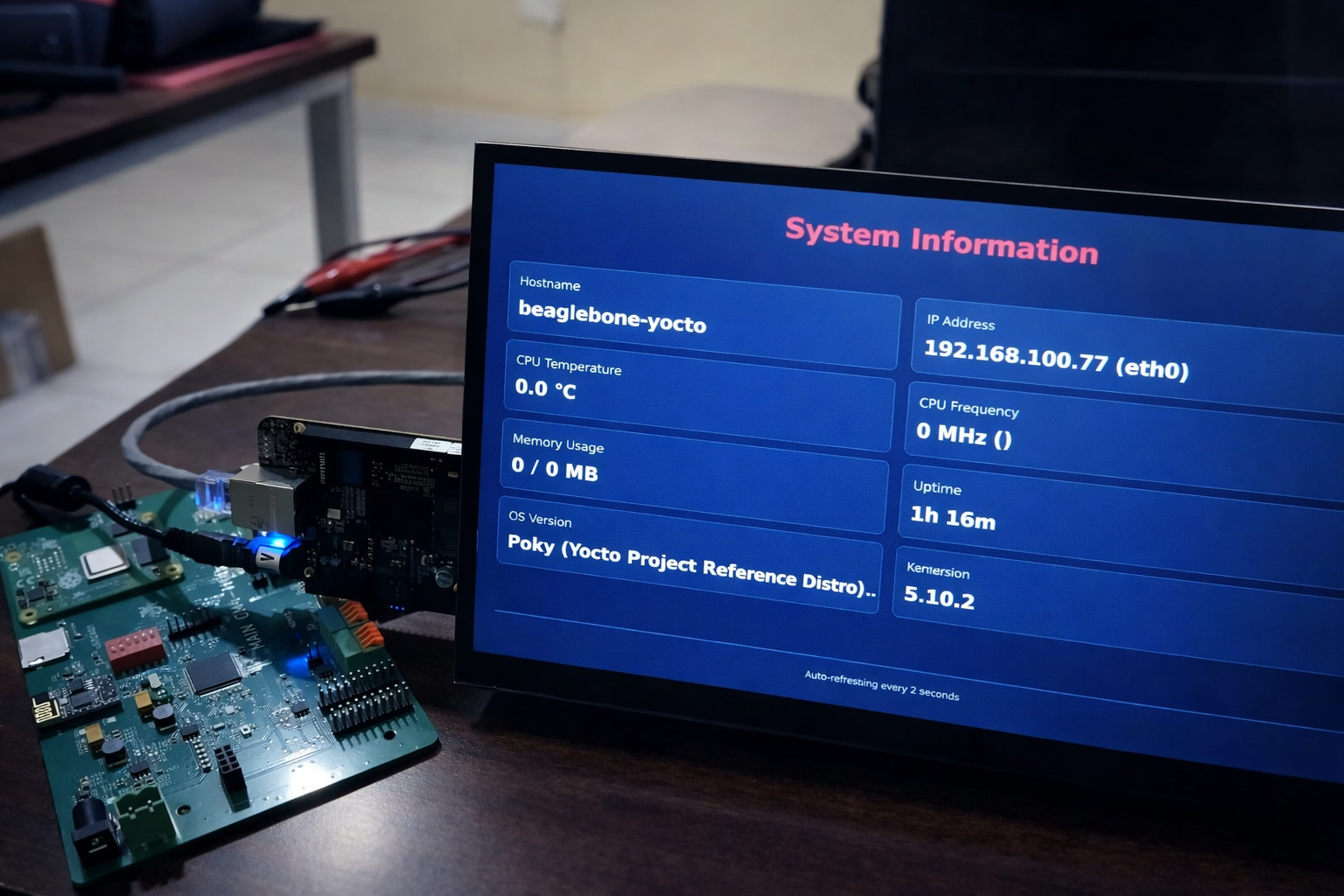
LVGL lets you build genuinely good-looking UIs on a Cortex-M4 with 512 KB flash and a small display.
We design and implement LVGL applications for products where an embedded Linux platform is overkill — operator panels, instrument clusters, status displays, and small industrial HMIs where boot time, cost, and BOM complexity all matter.
Our LVGL work includes custom widget development, theme design that matches your brand, and the driver work to connect LVGL to your specific display controller and touch IC — whether that's a parallel RGB panel, SPI display, or MIPI DSI.
We co-design the display hardware with the firmware, so the layer count, refresh rate, and touch sampling are all matched to what the UI actually needs.
Industrial Displays
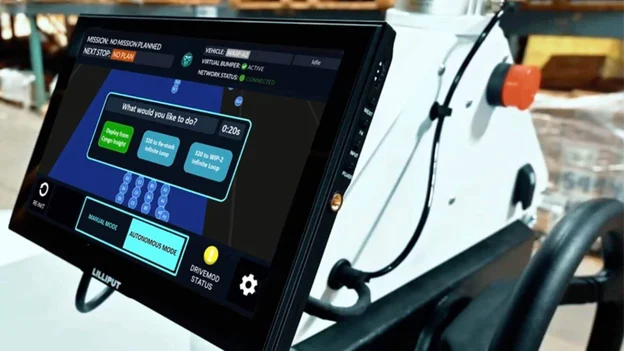
Industrial HMIs live in environments that expose every flaw in your design — high ambient light, gloves, vibration, and operators who don't read manuals.
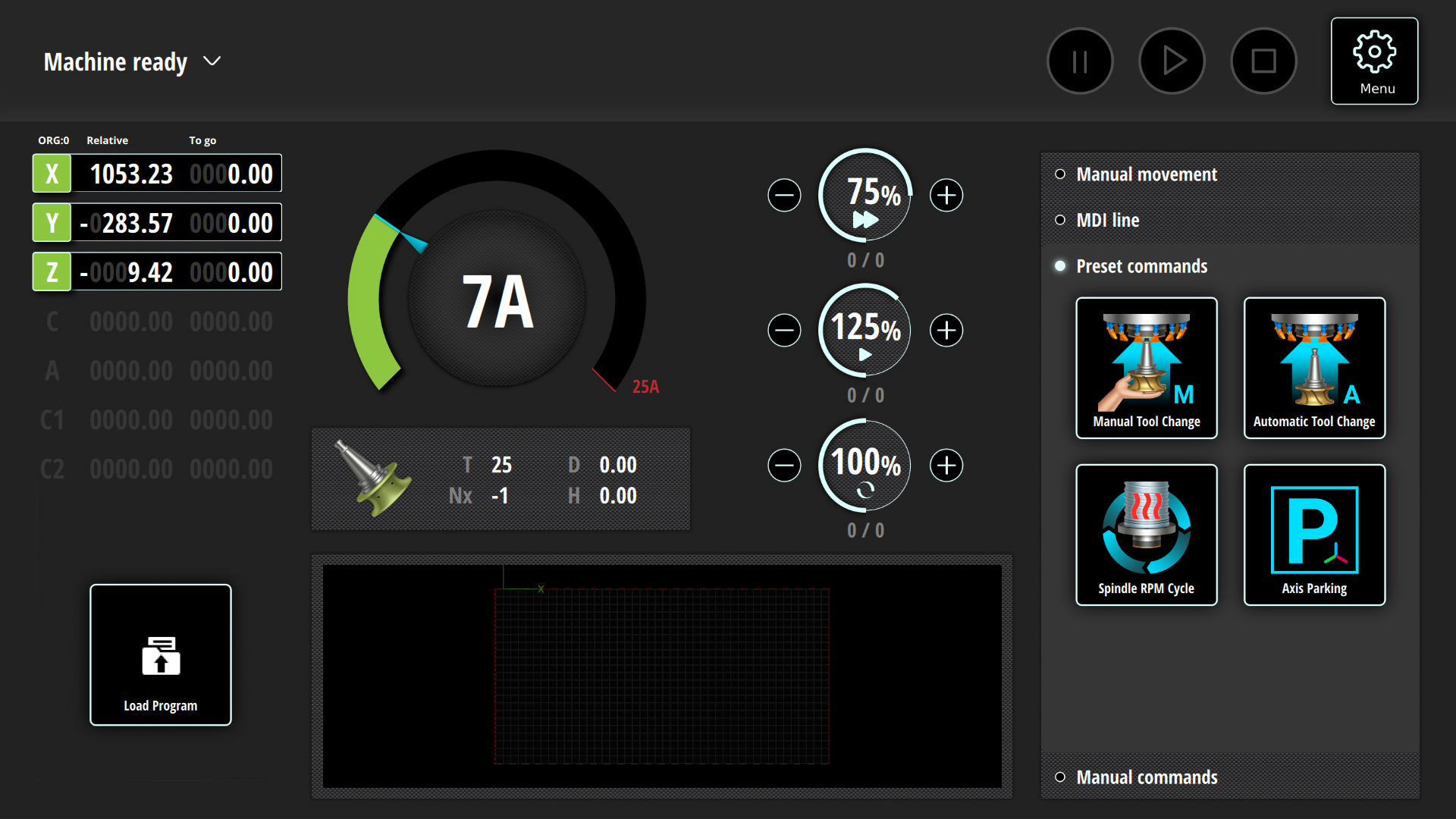
We design the full system: panel PC selection or custom hardware, display integration, enclosure interface, and the software stack on top. Sunlight-readable brightness settings, high-contrast themes for low-light environments, and touch calibration that accounts for gloved operation.
We've built operator station UIs for manufacturing lines, status displays for industrial machinery, and configuration panels for field equipment — all with the same focus on reliability and operator efficiency.
We can also retrofit modern HMI solutions onto existing industrial equipment where the original operator panel has reached end-of-life.
Embedded UX Design
Embedded UX design is a different discipline to web or mobile UX — the hardware, the environment, and the user are all different.
We start from your user's actual context: are they a trained technician, a first-time consumer, or a fatigued operator at the end of a shift? Are they standing in bright sunlight, wearing gloves, under time pressure? The answers shape every decision about layout, type size, interaction model, and feedback.
We produce wireframes and annotated interaction flows before a line of code is written — catching usability problems when they're still cheap to fix.
For products that already exist, we offer UX audits that identify specific friction points and recommend targeted improvements — you don't always need a full redesign.
More From Squared
Bare-metal, RTOS, and embedded Linux firmware — the platform your HMI runs on, designed to match.
Custom PCBs and display integration hardware for panels, kiosks, and industrial control units.
End-to-end connected devices where the HMI is the operator's window into the whole system.
Start an HMI Project
Tell us your target hardware, your display size, and who the user is. We'll tell you which framework fits, what the design challenges are, and how we'd approach the project — usually within 24 hours.